Key points
- PCOS was renamed polyendocrine metabolic ovarian syndrome (PMOS) in May 2026. The condition and its care are the same.
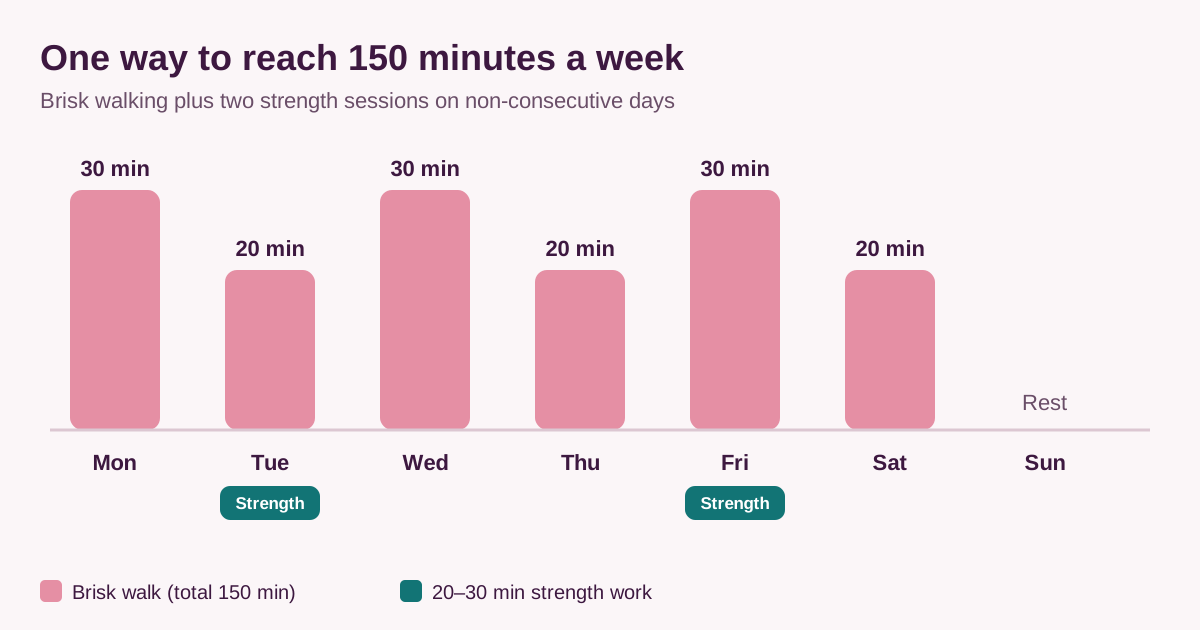
- Aim for 150–300 minutes of moderate activity or 75–150 minutes of vigorous activity a week, plus strength work on 2 non-consecutive days.
- No specific diet is proven best for PMOS. A balanced, sustainable way of eating that you enjoy matters more.
- Lifestyle helps everyone with PMOS, whatever their weight.
PCOS is now PMOS
In May 2026, an international group of doctors, researchers and patient organisations renamed polycystic ovary syndrome (PCOS) to polyendocrine metabolic ovarian syndrome (PMOS). The old name suggested the condition was about ovarian cysts. It is not: it is a long-term hormonal and metabolic condition that affects periods, skin and hair, fertility, mood and long-term heart and diabetes risk.
Your doctor or lab report may still say PCOS or PCOD. They all describe the same condition, and the advice on this page applies to all of them.
Why lifestyle matters
Many women with PMOS have insulin resistance, meaning the body needs more insulin to keep blood sugar normal. Higher insulin can push the ovaries to make more androgens (male-type hormones), which can disturb periods and cause acne or unwanted hair. Regular movement and balanced eating improve how the body uses insulin.
The 2023 International Evidence-based Guideline, the most comprehensive guidance on this condition, recommends healthy lifestyle for everyone with PMOS. It is not only about weight, and it is not a punishment. Many of the metabolic features are partly genetic.
How much to move
The guideline follows general adult activity advice:
| Type | How much | Indian examples |
|---|---|---|
| Moderate aerobic | 150–300 minutes a week | Brisk walking, cycling, swimming, garba or dandiya, dancing at home |
| Or vigorous aerobic | 75–150 minutes a week | Running, skipping rope, climbing stairs fast, badminton singles |
| Muscle strengthening | 2 non-consecutive days a week | Bodyweight exercises, resistance bands, yoga with strength holds |
Moderate means you can talk but not sing. Vigorous means you can only say a few words before pausing for breath. One vigorous minute counts roughly as two moderate minutes.
If you are starting from very little, any movement is better than none. Ten minutes of brisk walking after dinner, three times a day, already adds up to 150 minutes over five days. Cutting long sitting time also helps: stand up and walk for a few minutes every hour.
Strength work at home
Muscle is the body's biggest user of blood sugar, so stronger muscles help with insulin resistance. You do not need a gym. A simple routine, done slowly and with good form:
- Chair squats: sit down and stand up from a chair without using your hands. 2–3 sets of 8–12.
- Wall or kitchen-counter push-ups: 2–3 sets of 8–12.
- Glute bridges: lying on your back, knees bent, lift your hips. 2–3 sets of 10–15.
- Step-ups: on a stair, holding the rail. 2 sets of 10 each leg.
- Plank on knees: hold 15–30 seconds, 3 times.
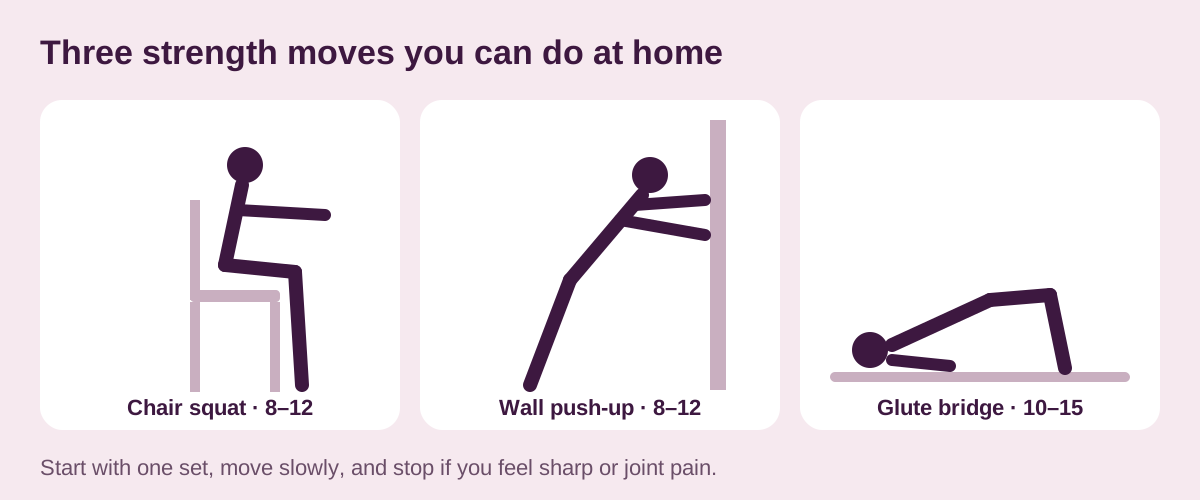
Start with one set and build up over a few weeks. Mild muscle soreness the next day is normal; sharp or joint pain is not. Stop and get advice if anything hurts, and check with your doctor first if you have heart, joint or blood pressure problems, or are pregnant.
Building an Indian plate
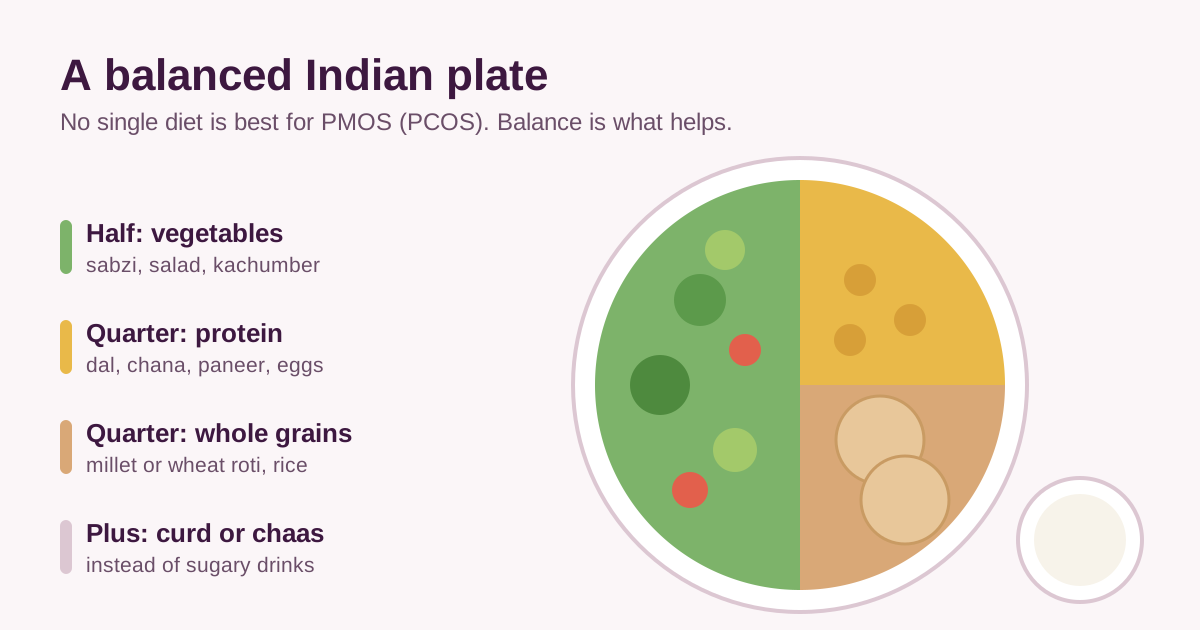
The guideline found no evidence that any specific diet (low-carb, keto, gluten-free, intermittent fasting) works better than another for PMOS. What helps is a balanced pattern you can keep up. Ideas from an Indian kitchen:
- Half the plate vegetables: sabzi, salad, kachumber, raita with cucumber.
- A protein at every meal: dal, chana, rajma, paneer, curd, eggs, fish or chicken.
- Whole grains in sensible portions: roti from whole wheat or millets (jowar, bajra, ragi), brown or regular rice with dal and vegetables.
- Fewer sugary drinks and fried snacks: swap packaged juice, sweet chai and namkeen for water, buttermilk, roasted chana or fruit.
- Festivals and family meals are part of life. A balanced week matters more than one meal.
Be wary of products or plans that promise to "cure" or "reverse" PCOS. No food or supplement cures PMOS. Talk to your doctor before starting any supplement.
About weight
Women with PMOS of every body size can have symptoms. For those with excess weight, the guideline notes that losing 5–10% of body weight within about six months can bring meaningful benefits, such as more regular periods and better blood sugar. Focus on habits, not a number on the scale, and avoid crash diets.
The guideline also asks doctors to be aware of weight stigma and of the higher risk of disordered eating in PMOS. If thoughts about food or weight are distressing you, tell your doctor.
Sleep and stress
Poor sleep and stress both affect blood sugar and appetite. Aim for a regular sleep time, a screen-free half hour before bed and daylight in the morning. Low mood and anxiety are more common with PMOS. They are part of the condition, not a personal failing, and they deserve treatment too.
When to see a doctor
- You have gone 3 months or more without a period, or your periods are very heavy.
- You have strong thirst, frequent urination or unexplained weight change.
- You have rapid hair growth, a deepening voice or other sudden changes.
- You feel low or anxious most days, or have thoughts of harming yourself. Call Tele-MANAS on 14416.
Related guides: PCOS explained, PCOS treatment options, PCOS and fertility and PCOS, skin and hair.
Frequently asked questions
Is PMOS the same as PCOD?
Yes. PCOD, PCOS and PMOS all describe the same condition. PMOS is the new international name, adopted in May 2026.
Do I have to give up rice to manage PMOS?
No. No single food is banned. Pair rice with dal, vegetables and a protein, and keep portions in line with your activity.
Is yoga enough exercise for PMOS?
Yoga counts, especially styles with strength holds. Most people also benefit from some brisk walking or other aerobic activity to reach 150 minutes a week.
Can lifestyle changes alone regulate my periods?
For some women they help a lot, but not for everyone. Your gynaecologist can add treatment if needed; lifestyle still helps alongside it.
Sources
- Teede HJ, et al. Recommendations from the 2023 International Evidence-based Guideline for the Assessment and Management of Polycystic Ovary Syndrome. J Clin Endocrinol Metab 2023;108(10):2447–2469.
- Monash University. International Evidence-based Guideline for PCOS 2023.
- Endocrine Society. Polyendocrine Metabolic Ovarian Syndrome: new name to improve diagnosis and care. 12 May 2026.
This article is general information for adults in India and is not a diagnosis or a treatment plan. Always discuss results and any changes with your own doctor. Read our editorial policy.